
While Tasmania’s e-bike regulations review remains in stasis, the rest of the country is pressing ahead to dial back imports of powerful e-bikes.
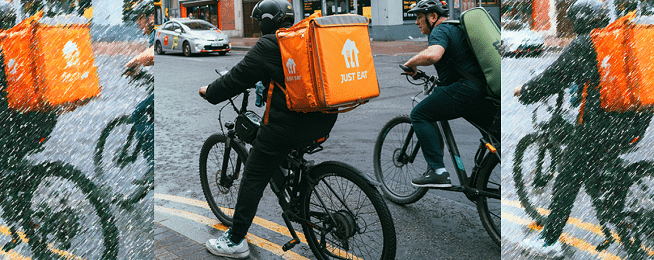
The use of e-bikes that are faster or more powerful than the legal limits has come to a head in bigger cities like Sydney and Melbourne, which have high numbers of food delivery drivers and teenagers flaunting the rules.
A fire onboard a train in Victoria has prompted calls for e-bike bans in Victoria and New South Wales, dismaying the thousands of riders of legal e-bikes that rely on trains and e-bikes to get around.
Bicycle Network has teamed up with other bicycle groups to call on the federal government to fix the importation loophole that allows e-bikes to come into the country that don’t comply with our road rules.
A further step is to require all bikes imported and sold in Australia to meet the European standard which limits continuous motor power to 250 watts, limits speed to 25km/h and a throttle up to 6km. This would mean that the second definition of an e-bike that is still enshrined in many Road Rules of a 200 watt motor and throttle would become obsolete.
Independent MP Sophie Scamps introduced a Private Members Bill to the federal parliament on 1 September that proposed the re-introduction of a standard for imported e-bikes to comply with.
The Tasmanian Government issued a green paper canvassing options for reform last year, which was open for consultation between September and November.
Since then, the unexpected state election has delayed the process but now a new Transport Minister has been sworn in it should restart soon.
The options for the government are to maintain the status quo, work with other states for a national solution, or go it alone with Tasmanian-specific regulations. The nation’s transport ministers recently pledged to work together to help prevent non-compliant e-bikes being sold.
Bicycle Network’s submission to this review stated that the speed limit should be kept at 25km/h as so much of our cycling infrastructure is shared with people walking.
We were sympathetic to riders who have to navigate very steep hills while carrying children, groceries and work equipment and so suggested a trial of increased motor power to 350 watts to help these riders when torque is not enough.
Bicycle Industries Australia spokesperson Peter Bourke has suggested that a preferred outcome would be to endorse the new European standard for cargo e-bikes for load carrying or last-mile freight, which is soon to be released. Such a standard is likely to include a more powerful motor than standard e-bikes so would solve the problems of people who want to carry loads up steep hills.
Main image: Selim Karadayı
Or become our friend and subscribe to receive our fortnightly newsletter.