
Update: The Queensland Government has agreed to accept, or accept in principle, all 28 recommendations from the recent parliamentary inquiry into e-mobility safety detailed below. The legislation is expected to be introduced to parliament this week.
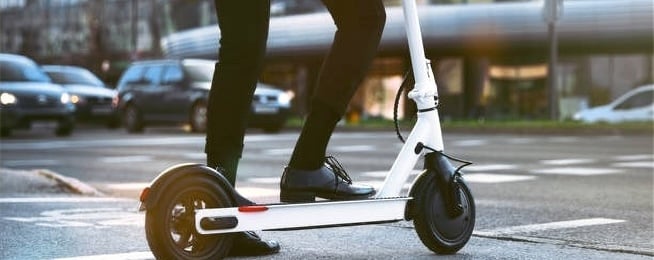
Earlier: The parliamentary inquiry committee investigating e-mobility safety and use in Queensland has recommended that any non-compliant e-mobility device with a top speed exceeding 25km/h be defined as a motorcycle, moped or other appropriate classification.
As such, riders would need to hold a licence to operate such vehicles, devices must be sold by a licensed motor trader, devices must be registered and covered by Compulsory Third Party insurance, devices must be ridden only on roads and not footpaths or bike paths, and riders must wear a motorcycle helmet.
The inquiry was tabled earlier this month and makes 28 recommendations to reduce harm caused by e-mobility devices in the state.
It was ordered as a result of several months of devastating incidents related to e-mobility devices in the state, including 12 deaths, some involving children.
Other key recommendations include:
-
Minimum age: E-bikes and personal mobility devices can only be ridden by those aged 16+ and all users must hold at least a Queensland Class C learner licence.
-
Battery standards: Introduce mandatory national safety standards for lithium-ion batteries in e-mobility devices.
-
Import standards: Introduce stronger national import controls relating to e-bikes and personal mobility devices, and stronger enforcement.
-
EN15194: Align definitions of compliant e-mobility devices and batteries with recognised product safety standards including EN15194 for e-bikes and an equivalent standard for other personal mobility devices.
-
Footpath speeds: Speed limits on all footpaths for e-mobility devices should be maximum 10km/h.
-
Anti-tampering laws: Introduce laws that prohibit the sale and use of modification kits or assistance by retailers to increase the power and speed of e-mobility devices.
-
Police powers: Give state police power to seize and impound an illegal device on a first offence, including the ability to dispose of or destroy the device.
Not all of these recommendations are likely to be implemented. For example, a non compliant e-bike that should be called a motorcycle can’t actually be registered as it does not comply with the standards for motorcyles either.
The inquiry nonetheless recommends that compliant e-mobility devices continue to be considered a vital part of the transport system and the state government embed e-mobility into strategic transport infrastructure planning.
Or become our friend and subscribe to receive our fortnightly newsletter.