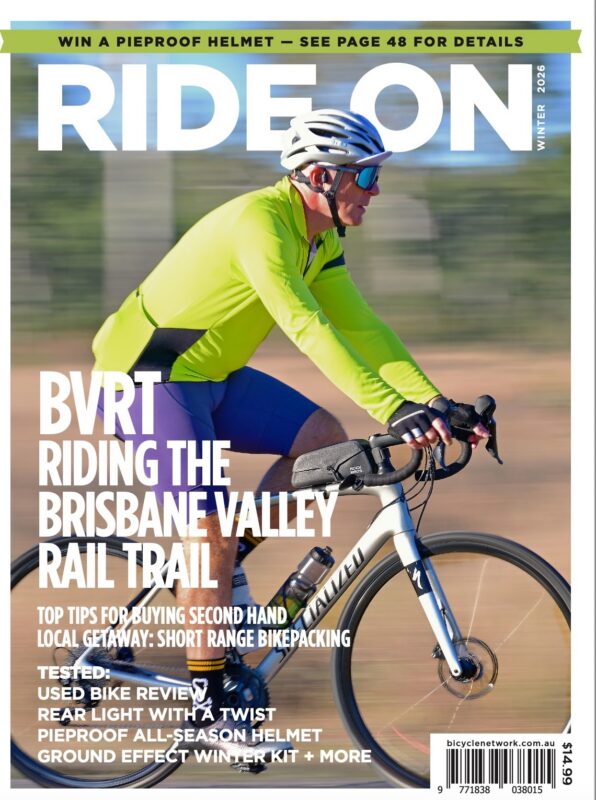
With the latest Bicycle Network member magazine out now, here's a sneak peek at one of the feature articles inside the Winter '26 edition of Ride On. You can subscribe to the print edition of Ride On for just $30 per year here.
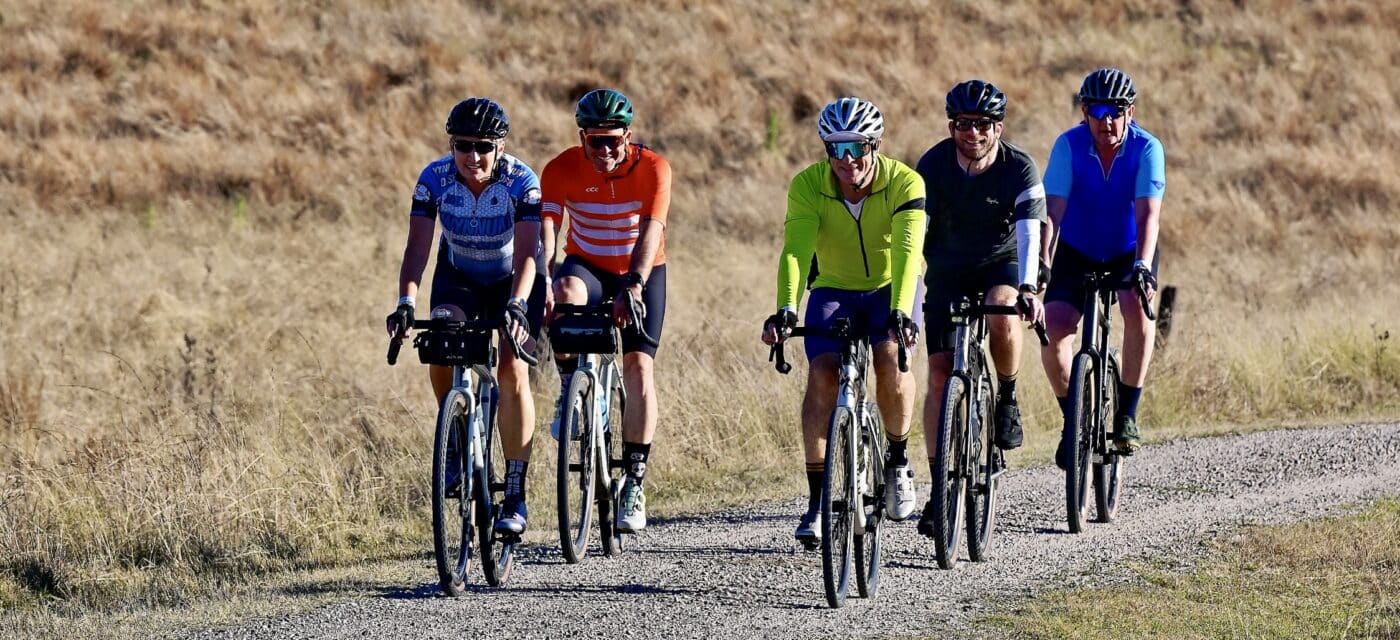
A rider from Redfern bikepacking from Brisbane to Darwin, two women from the Sunshine Coast training for a trip to the tip of Cape York, a myriad of smiling mums, dads, kids, along with keen mountain bikers, gravel enthusiasts and e-bikers making the most of the glorious winter sun.
Just a small sample of the people Ride On met during a week riding the jewel in South East Queensland’s cycling crown, the Brisbane Valley Rail Trail.
Attracting an estimated 25,000 riders per year, a number rapidly rising as the word continues to spread, the BVRT is without a doubt one of Australia’s premier rail trail experiences.
At 161 kilometres long, the BVRT is more than just Australia’s longest rail trail - it’s a journey through landscapes, communities, and history. From its humble railway beginnings in the 1880s to its modern-day reinvention as a beloved multi-use trail, the BVRT has become a living legacy of perseverance, community spirit, and adventure. Moreso, it has revived many Brisbane Valley townships, led to the creation of numerous tourism ventures, and spurred a wide range of annual events.
The trail has become something of a bucket-list destination for gravel riders, particularly those from interstate, during the cooler winter months. Having ridden it 15 or 20 times over the past 6 or 7 years, I’ve met a wide range of riders from all over Australia and many places around the world, on all types of bikes - all with one common denominator, and that’s to travel to South East Queensland to ride the revered rail trail.
Some are perfectly content to potter along and cover 20 or 30km a day, others target the 320km out ’n back in 2 days, and a handful have even taken on the BVRT 24hr challenge.
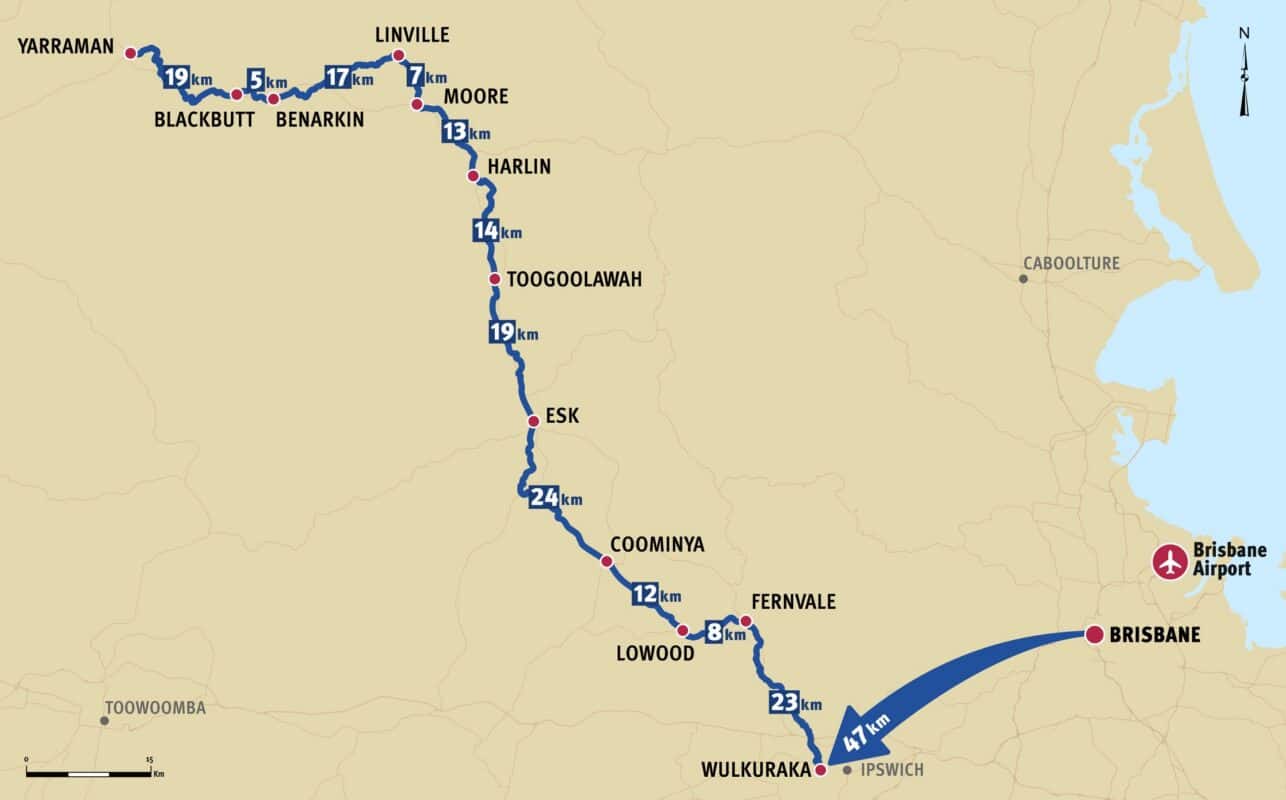
With the most popular start point of Wulkuraka located just 47km from Brisbane, many riders opt to start there and either catch a train to Ipswich or ride out from ‘the River City’.
For interstate riders who fly into Brisbane, logistics are always an issue. Many rail travellers I’ve spoken to have reported leaving bike bags and extra luggage at their Brisbane hotel before heading to the BVRT.

A Trail of History
The Brisbane Valley railway line first rumbled to life in 1884, ferrying passengers, timber, cattle, and freight across South East Queensland. A small snippet of the rural region’s fascinating history can be picked up on various signs along the trail - from the remains of railway stations, small rural enclaves and schools, through to details about 19th-century timber industry squatters and dairy farming pioneers.
One interpretive sign tells the fascinating story of stockman Billy Mateer, who, in 1890, was credited with saving countless thousands of lives after galloping 30 miles to warn of massive floodwaters bearing down on Brisbane.
To read the full BVRT article, visit the e-zine version of Ride On magazine here.
The Brisbane Valley railway served the rapidly developing region for more than 100 years, from 1884 through to 1989. By then, with the advent of road transport, the last train rolled through before returning to Brisbane, and the railway fell silent.
Jump forward seven years to 1996 and Nanango Shire’s Mayor Reg McCallum and Councillor Kevin Allery kicked off a grassroots campaign to transform the abandoned corridor into a recreational rail trail. Over the next two decades, the BVRT was developed section by section - often in the face of bureaucratic hurdles, floods, and funding shortages.
The trail gradually grew with the Fernvale to Lowood section opening in 2003, the Linville to Blackbutt section in 2006, and, eventually, the long-awaited final link between Moore and Toogoolawah in 2018.
Riding From Wulkuraka to Yarraman
Stretching from Wulkuraka, just west of Ipswich, to the highlands of Yarraman, the BVRT winds through farmland, bushland, river valleys, and quaint country towns. The trail is divided into 11 rideable sections ranging from 7 to 24 kilometres, making it perfect for everything from leisurely day trips to epic multi-day adventures.
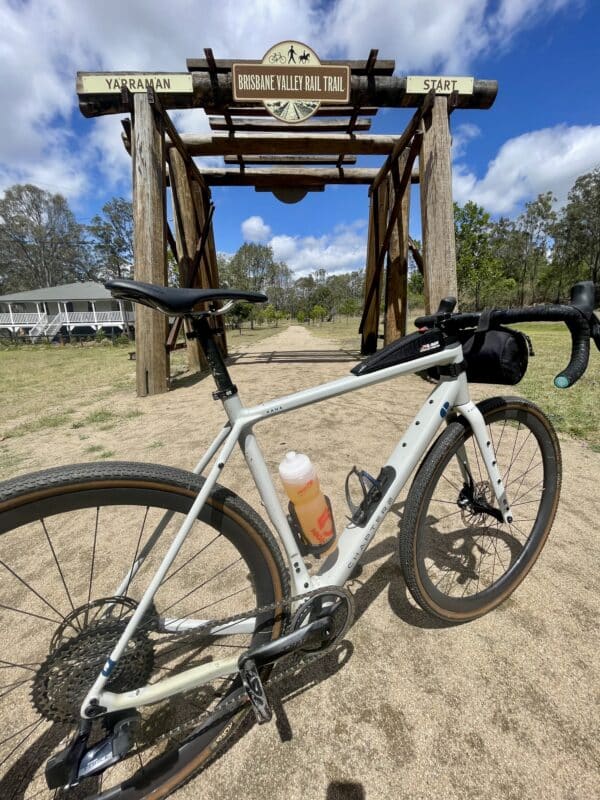
While the trail’s gentle railway grades make it accessible to riders of all fitness levels, don’t mistake it for being monotonous. Some sections are smooth and cruisy, while others are rugged and challenging. For thrill-seekers, the descent from Benarkin to Linville is a must and definitely a personal highlight - a winding downhill glide best experienced when riding north to south.
E-bike riders will find recharge points at key locations like Brisbane Valley Roasters in Esk and the Rail Trail Refuge in Linville - purpose-built accommodation that’s become a popular stop for multi-day riders. Horse riders, too, are well catered for, with holding yards and water troughs thoughtfully placed along the trail.
To read the full BVRT article, visit the e-zine version of Ride On magazine here.
You can subscribe to the print edition of Ride On for just $30 per year here.