

Planning laws and processes can be a dry topic to engage with, but it’s vital that you do because they shape our streets and communities.
Tasmania is embarking on another big planning step which will benefit from rider involvement.
The state has three regional land use strategies: these are the plans that guide what can be built where.
All these strategies are now up for review with the northern state of play consultation closing on Friday 30 January 2026, the southern draft strategy consultation on 22 February 2026 and the Cradle Coast process still to open.
There is a web page which has information on all three strategy review processes and contact email addresses to have your say: https://shapingtasmania.com.au/
Of importance for active transport and recreation is the need for corridors that cross council boundaries to provide safe, connected access to schools, shops, workplaces and recreational opportunities.
These exist for car travel and public transport and should also exist for active travel.
The southern strategy is the first cab off the rank, with existing consultation phases having resulted in a draft strategy for review.
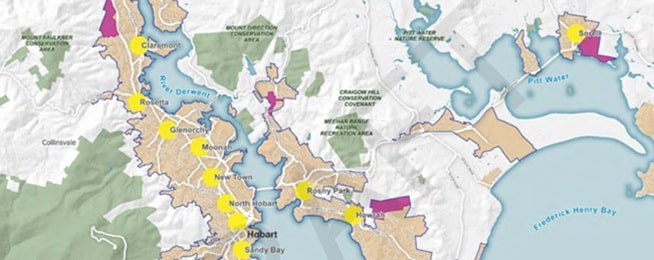
It identifies the need for priority growth areas to be within 400–800 metres of an active transport corridor but doesn’t include a map showing these corridors.
When these corridors are clearly identified they help developers to plan around them or include elements of their construction within designs.
The draft strategy includes a map of the high frequency public transport corridors but should also include the strategic active transport corridors identified in the Keeping Hobart Moving Plan.
It also details the need to prioritise active and public transport over car use in activity centres, to provide adequate end-of-trip facilities for riders and better integrate active and public transport.
These goals are the opposite of what has happened in the past and would require a wholesale re-evaluation of land use in all the existing activity centres to achieve. This is welcomed but will obviously take a long time for cash-strapped councils to achieve these changes on their own.
Or become our friend and subscribe to receive our fortnightly newsletter.